
Is your home fighting a losing battle against the weather? Discover why the “Whole-Home Envelope” strategy is the only way to permanently cut energy bills, eliminate drafts, and protect your family.
Living in Southeast Michigan means dealing with weather extremes. From the humid, sweltering heat of a Detroit July to the bone-chilling freeze of a Lansing January, your home is constantly under attack from the elements.
If you are like most homeowners, you likely dread opening your utility bills during these peak seasons. You might find yourself constantly adjusting the thermostat, yet still feeling uncomfortable drafts in your living room. You might notice icicles forming on your gutters in winter or feel a distinct humidity in your home during summer.
The hard truth is that most homes in our region—whether built in 1920 or 2020—are bleeding energy. They are losing the expensive air you pay to heat and cool through thousands of tiny gaps, cracks, and poorly insulated surfaces.
This is not just about comfort; it is about financial waste.
Welcome to the Ultimate Guide to High-Performance Home Insulation. This is not a guide about buying pink fiberglass rolls from a hardware store. This is a guide about building science. In the sections below, we will dismantle the myths of traditional insulation and explain why a “Whole-Home” approach using modern spray foam is the only way to achieve true efficiency.
We will cover everything from the “lid” of your house (the attic) to the foundation (the crawl space), and help you find the right partners to get the job done.
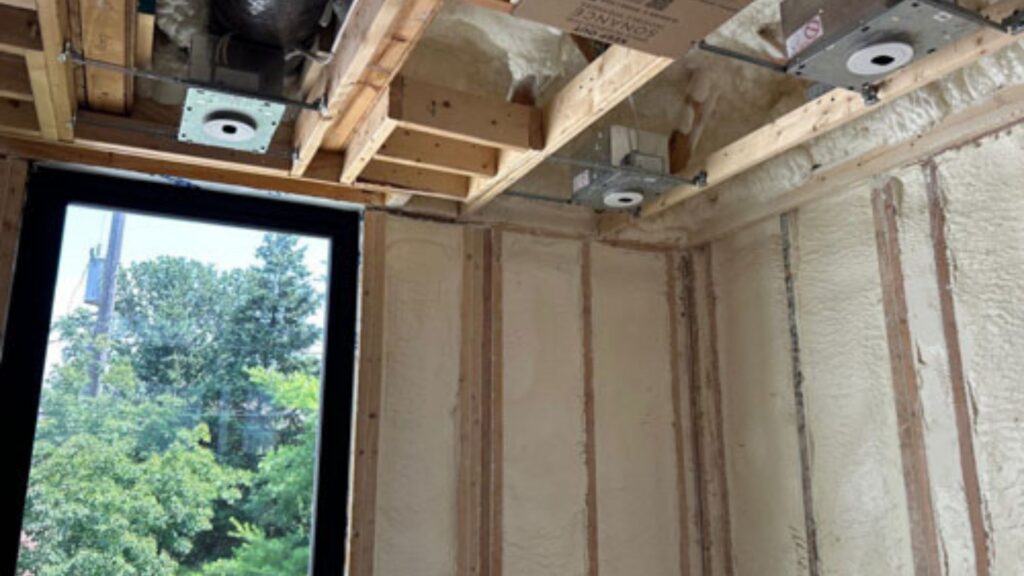
The Science of Comfort (Why Your Home is Leaking Cash)
To understand why your bills are high, you have to understand how your house breathes. Most homeowners assume that if they have some insulation, they are fine. But insulation is only half the battle.
A) R-Value vs. Air Sealing: The Critical Difference
For decades, we have been taught to look for “R-Value” (Resistance to heat flow). While R-value is important, it is useless without Air Sealing.
Think of it this way: Fiberglass insulation is like a wool sweater. It keeps you warm on a calm day. But if the wind starts blowing, that wind cuts right through the wool, and you freeze. You need a windbreaker over the sweater to stop the air.
Spray foam insulation is the wool sweater and the windbreaker combined.
Standard insulation resists heat flow, but it does not stop airflow. Air leaks are the primary vehicle for heat loss. If your insulation allows air to pass through it, your HVAC system has to work overtime to replace that lost heat. This is why high-performance home insulation must focus on sealing, not just “fluff.”
B) The “Stack Effect”: Your Home is a Chimney
Your home operates exactly like a large chimney due to basic laws of physics.
- Winter: You heat the air inside your home. Hot air is light, so it rises. It pushes against your ceilings and looks for any escape route into the attic (light fixtures, wire holes, top plates).
- The Escape: If your attic floor isn’t air-sealed, that expensive heat escapes through the roof.
- The Vacuum: As that air leaves the top of your house, it creates negative pressure (a vacuum) at the bottom.
- The Infiltration: Your house sucks in cold, freezing air from the outside through your basement, crawl space, windows, and doors to replace the air that leaves.
This cycle runs 24/7. No amount of fiberglass will stop it because fiberglass cannot seal air. Only by creating an airtight barrier can you break this costly cycle permanently.
The Lid of the Jar – Securing Your Attic
If you were trying to keep heat inside a jar, the first thing you would do is screw on the lid. Your attic is the lid of your home. If it is loose, nothing else matters.
The Problem: The Vented Attic Myth
In many Michigan homes, attics are under-insulated and ventilated in a way that encourages heat loss. You might see:
- Ice Dams: Thick ridges of ice on your eaves. This happens when heat escapes your attic, melts the snow on the roof, and the water refreezes at the cold gutter. This is a surefire sign of insulation failure.
- Drafty Rooms: Even with the furnace on, the rooms specifically upstairs feel cold.
- Dust & Allergens: A leaky attic allows dust, pollen, and pests to drift down into your living space.
The Solution: High-Performance Attic Encapsulation
Upgrading your attic is often the highest ROI project you can undertake. By sealing the attic floor or the roof deck with spray foam, you stop the Stack Effect at its source.
Effective insulation stabilizes indoor temperatures, meaning your home stays cozy year-round without overworking the HVAC system. When you use spray foam, you aren’t just adding “fluff”; you are creating a hard, impermeable cap on your home.
This upgrade does more than just save money; it changes the health of your home. By blocking moisture and allergens, your indoor air quality improves immediately.
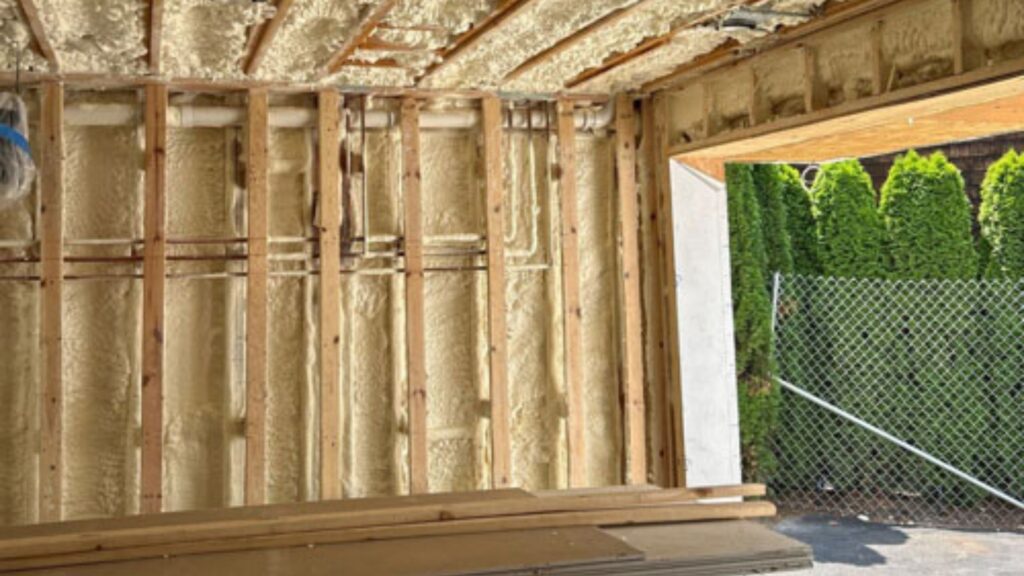
The Foundation – Sealing the “Cold Feet” Problem
While the attic is where heat escapes, the lower levels of your home, specifically the crawl space and rim joist, are where the cold invades.
a. The “Crawl Space” Nightmare
If you have a crawl space, you likely know the feeling of walking across your first floor in winter: the floor is freezing. This is because unconditioned outdoor air is circulating directly beneath your feet.
But it gets worse. Remember the “Stack Effect“? As heat rises out of your attic, your house sucks air up from the crawl space. That means the air you are breathing in your living room likely passed through a damp, dirty, dark crawl space first.
b. Why Fiberglass Fails in Crawl Spaces
We often see fiberglass batts stuffed between floor joists in crawl spaces. In almost every case, this fails because:
- Gravity: The batts absorb moisture, become heavy, and fall.
- Rodents: Mice and critters love nesting in fiberglass.
- Moisture: Fiberglass acts like a sponge, holding moisture against your wood subfloor, which can lead to rot and mold.
c. The Solution: Crawl Space Encapsulation
The modern, high-performance solution is to treat the crawl space as part of the house, rather than as an external component. This involves:
- Vapor Barriers: Laying a thick liner on the ground to stop earth moisture.
- Spray Foam Walls: Insulating the foundation walls with spray foam to stop cold air from entering.
- Air Sealing: Closing off the vents.
When you encapsulate a crawl space, your floors become warmer, your indoor humidity drops, and you cut off the supply of mold spores entering your home.
Don’t ignore what is happening beneath your feet. A neglected crawl space can rot your home’s structure. 👉 Learn how to protect your foundation with our guide to.
The Material Matters – Why Spray Foam Wins
We have mentioned “Spray Foam” repeatedly. Why are we so subjective about this material? Why do we at Seal Tech believe it is the only choice for a truly high-performance home insulation system?
Because physics doesn’t lie.
I. The Limitations of Old Tech
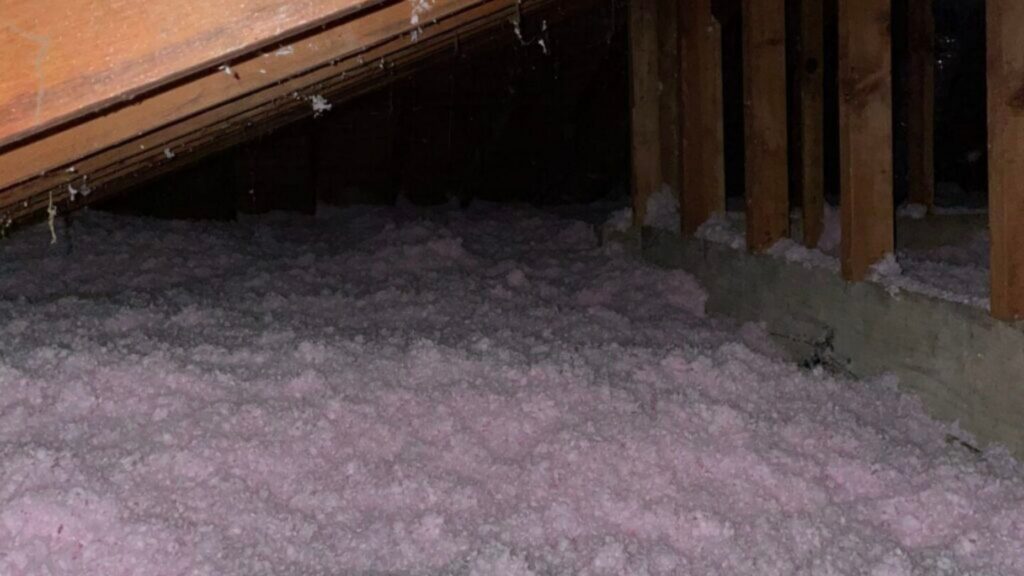
Traditional materials, like standard fiberglass batts, have a fatal flaw: they cannot fit perfectly against building frames. Construction lumber isn’t perfectly straight. There are gaps, wires, and pipes. Fiberglass leaves small pockets around these obstructions. These pockets allow expensive heated or cooled air to pass through.
II. The Spray Foam Advantage
Spray foam works on a completely different principle. Upon application, it actively expands. It fills every available crack, crevice, and awkward corner. Here is why spray foam is the superior choice for modern energy efficiency:
- Complete Air Seal: It creates a seamless envelope that loose-fill cellulose or rolled batts simply cannot match. It stops drafts entirely.
- Moisture Control: Closed-cell spray foam is a vapor barrier. It stops moisture from seeping into building cavities, actively inhibiting dangerous mold and mildew growth.
- Longevity: Unlike fiberglass, which settles and sags over time, cured foam remains rigid. It maintains its R-value indefinitely without maintenance.
- Structural Strength: Closed-cell foam actually adds structural rigidity to your walls and roof.
III. Can I Insulate Walls Without Tearing Them Down?
This is a common question. Homeowners assume they need to demo their drywall to get foam insulation. This is false. Injection foam is designed specifically for this purpose. Installers can inject foam into wall cavities through small holes, sealing the envelope without requiring a full renovation.
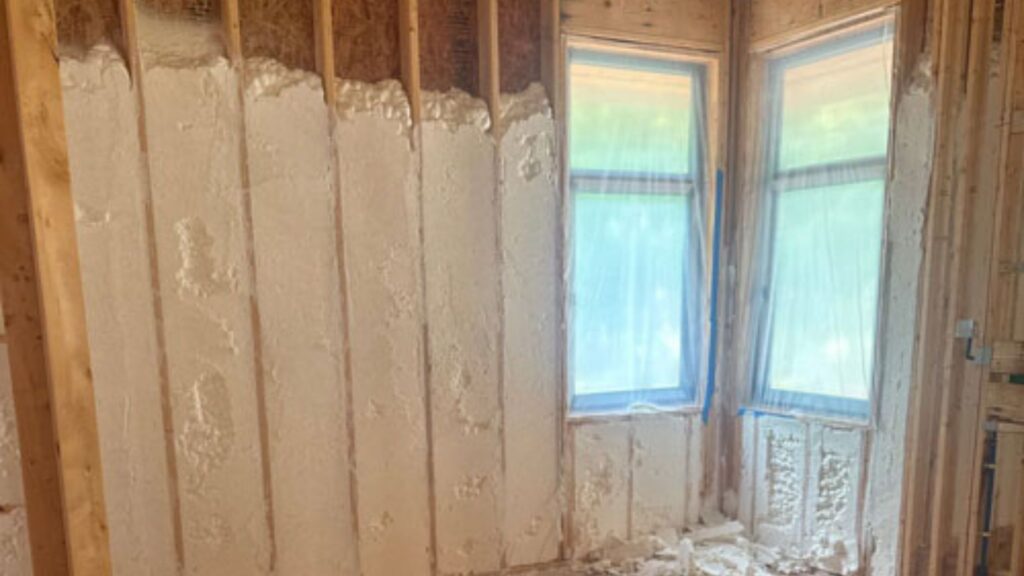
Quiet Comfort – The Soundproofing Benefit
Insulation isn’t just about temperature; it’s about peace.
If you live near a busy highway in Detroit or have noisy neighbors, your walls are letting sound through. Sound travels through the air. If your insulation has gaps (like fiberglass), it has “sound tunnels.”
Spray foam is dense. The dense composition of the foam absorbs sound waves rather than letting them vibrate through the walls. It acts as a powerful sound dampener.
- Exterior Noise: Traffic, airplanes, and wind noise are drastically reduced.
- Interior Noise: Insulating interior walls can prevent sound from traveling between bathrooms, bedrooms, and theater rooms.
A well-insulated home is a quiet sanctuary.
Choosing the Right Partner for the Job
You have decided to upgrade. You know spray foam is the material. Now, who puts it in?
Warning: Insulation is NOT a DIY Job. While you can paint a wall yourself, applying spray foam requires complex chemistry and high-tech machinery. The chemicals must be mixed at the exact temperature and pressure. If done incorrectly by an amateur, the foam might not cure, leading to odors and structural issues.
What to Look for in a Pro
When evaluating partners, you must look for specific qualifications to ensure lasting results:
- Local Knowledge: You need a team that understands the Michigan climate zone.
- Proven Track Record: Check online reviews. Look for testimonials that verify the company’s reputation and cleanliness.
- The Warranty: Does the company stand behind its product? A reputable professional always offers warranties to protect your investment.
- Safety Protocols: Ensure they use safe, non-toxic, and hypoallergenic products.
At Seal Tech Insulation, we don’t just spray and pray. We conduct thorough energy audits to identify your specific air leakage problems accurately. We provide itemized estimates so you avoid hidden fees.
Don’t trust your home to just anyone. The quality of the installation is just as important as the material itself. 👉 Here is what you need to know before hiring.
The “Whole-Home” Financial Impact
Let’s talk numbers. The biggest hesitation homeowners have is the upfront cost. However, investing in high-performance home insulation is one of the few home improvements that actually pays you back.
The 50% Savings Rule
Because spray foam allows your HVAC system to run more efficiently and less often, homeowners often see energy bill reductions of up to 50% after a full upgrade. Imagine cutting your monthly winter heating bill in half. Now multiply that savings over the 30+ years you live in the home. The upgrade quickly pays for itself through savings.
Increased Home Value
Energy-efficient homes sell faster and for more money. Buyers are becoming savvy; they ask about utility costs. A home with a sealed envelope and documented low energy bills is a premium asset in the real estate market.
Conclusion: Stop Heating the Outdoors
Your home should be your sanctuary, not a source of stress, cold drafts, and high bills.
Every day you wait to upgrade your insulation is another day you are paying to heat the neighborhood. By choosing high-performance home insulation like spray foam, you ensure consistent temperatures year-round and secure a sustainable future for your property.
The solution is clear:
- Inspect your attic and crawl space.
- Choose high-performance spray foam.
- Hire a certified local professional.
If you are ready to transform your home’s efficiency, consult with a dedicated expert.
Contact Seal Tech Insulation today. Let us help you seal the envelope, save money, and finally feel comfortable in your own home.
Frequently Asked Questions
Here are the most common questions we hear from Michigan homeowners considering an upgrade.
1. How does air sealing differ from standard insulation?
Fundamentally, standard insulation resists heat flow (conduction), while air sealing stops airflow (convection). Because leaks cause massive energy loss, effective solutions must address both. Spray foam is superior because it does both simultaneously.
2. Will upgrading my attic really lower my energy bills?
Yes. Improving your thermal boundary allows your HVAC system to run efficiently. By sealing the “lid” of your home, you stop the stack effect, often resulting in bill reductions of up to 50%.
3. Will spray foam deteriorate over time?
No. Quality spray foam lasts for the building’s life. Unlike fiberglass, which settles, cured foam remains rigid and maintains its performance indefinitely.
4. Is spray foam safe for my family?
Absolutely. Modern spray foam is safe, non-toxic, and hypoallergenic. In fact, by sealing out allergens and moisture, it usually improves the air quality for people with asthma or allergies.
5. Does insulation help with soundproofing?
Yes. The density of the foam reduces airborne sounds like traffic or wind, creating a much quieter indoor environment.