
Comfort problems rarely start in the thermostat. Instead, they start in the building shell—your attic, walls, and crawl space—where heat escapes, humidity sneaks in, and drafts travel room to room. Therefore, a smart insulation plan must do two jobs at the same time: it must slow heat flow, and it must control air leakage. That is exactly what this Home Insulation Guide helps you do—step by step, without confusion.
This Home Insulation Guide will help you understand how effective insulation can drastically improve your home’s comfort level.
Using this Home Insulation Guide, you can select the best materials suited for your specific needs.
In the sections below, you will learn how insulation types behave, how to think about energy efficiency beyond “more insulation,” how spray foam fits into modern building performance, and how to choose R-values that match your goals. Additionally, you will learn where insulation upgrades deliver the biggest comfort gains first, so you can prioritize correctly.
This Home Insulation Guide emphasizes the importance of choosing the right insulation type.
This Home Insulation Guide will show you how a comprehensive plan can resolve many comfort issues.
Why Insulation Changes Comfort So Fast
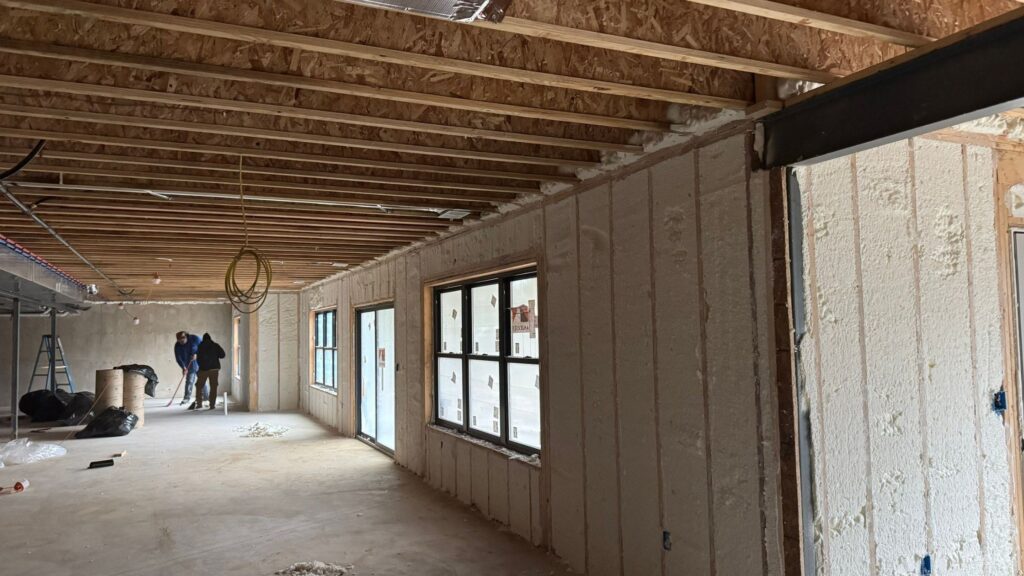
Insulation works because it resists heat transfer. However, comfort improves fastest when you pair insulation with air sealing, because moving air carries heat and moisture through gaps you cannot see. Consequently, homes with decent insulation can still feel uncomfortable when the attic leaks, when wall cavities stay underfilled, or when a crawl space pushes humid air upward. Most comfort complaints follow predictable patterns:
- Hot upstairs in summer and cold upstairs in winter: the attic lacks sufficient thermal resistance, and air leaks amplify the problem.
- Drafts near floors: the crawl space or rim area leaks air, so the stack effect pulls air upward through the house.
- Rooms that never match the thermostat: wall insulation gaps, bonus room exposure, or ceiling geometry cause uneven heat gain and loss.
Therefore, insulation planning should start with the biggest “leak-and-loss” zones, not with random upgrades.
Conduction, Convection, Air Leaks
You do not need engineering math to make good insulation decisions. Instead, you need a simple mental model, including:
i. Conduction: Heat Moves Through Materials: Heat moves through wood, drywall, masonry, and insulation. Therefore, you use insulation to slow that movement and stabilize indoor temperatures.
ii. Convection: Air Movement Carries Heat: Air that moves through cavities can carry heat quickly. Consequently, gaps and poorly detailed assemblies can reduce real-world performance even when you install “enough” insulation.
iii. Air Leakage: The Comfort Thief You Feel: Air leakage creates drafts, pressure imbalances, and moisture transport. Moreover, air leakage makes HVAC systems work harder, because the system conditions air that the home immediately loses.
Following this Home Insulation Guide will help you achieve the best results for your insulation project.
That is why many high-performance insulation strategies focus on both R-value and air sealing—not one or the other.
R-Value Explained: What It Means
R-value measures resistance to heat flow. Therefore, a higher R-value generally improves thermal performance. However, R-value does not automatically guarantee comfort if air flows around or through the insulation. Keep these R-value realities in mind:
- R-value works best when insulation stays continuous (no gaps, no compression, no missing corners).
- Air sealing protects the R-value because moving air can bypass insulation.
- Moisture control protects longevity because wet or poorly ventilated assemblies can degrade performance over time.
So, treat R-value as a starting metric, then confirm that the installation method matches the building area.
Insulation Types: Where Each One Performs Best
Different insulation types solve different problems. Therefore, you should match the material to the location, the moisture conditions, and the level of air sealing you need.
1) Spray Foam Insulation (Open-Cell And Closed-Cell)
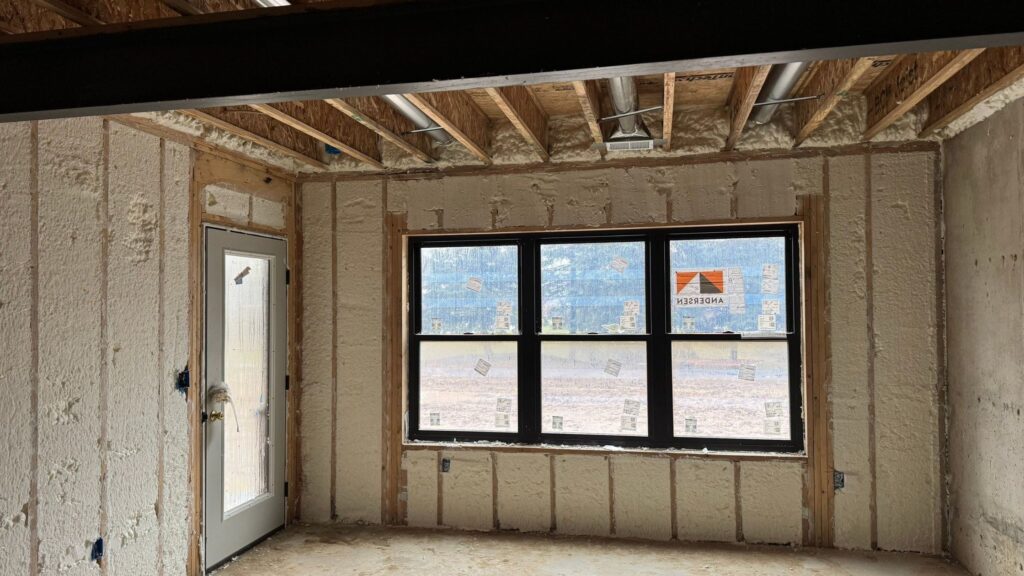
Spray foam expands to seal cracks and penetrations. Additionally, it forms a more continuous air barrier than many loose or batt systems when installers apply it correctly. That is why many contractors use spray foam in attics, crawl spaces, and complex rooflines where air leakage drives comfort issues.
Open-cell foam typically provides strong air sealing and sound dampening. Meanwhile, closed-cell foam typically delivers a higher R-value per inch and stronger moisture resistance. Therefore, you can choose the foam type based on space limits and moisture risk.
2) Blown-In Insulation (Fiberglass Or Cellulose)
Blown-in insulation fills irregular attic floors and wall cavities more evenly than many batts. Additionally, dense-pack wall methods can improve comfort without major renovations when teams access wall cavities correctly. It works especially well when you need faster coverage across large attic areas, better fill around obstructions, and improved wall cavity performance in existing homes. However, you still need smart airflow management in attics. For example, teams often install soffit baffles to maintain airflow and reduce moisture risk.
3) Fiberglass Batts
Batts can perform well when installers cut them precisely and fit them without compression. However, batts can lose effectiveness when gaps form around wiring, when installers compress the material, or when air moves through cavities. Therefore, batts usually benefit from dedicated air sealing and careful detailing.
Batts fit best when framing stays standard, and access stays easy. Consequently, batts often support straightforward wall assemblies and accessible areas during remodels.
4) Rigid Foam Boards
Rigid foam boards provide continuous insulation when you install them across framing or masonry. Additionally, they reduce thermal bridging, which happens when studs or structural elements transfer heat faster than insulated cavities. Rigid foam works well for basement walls and rim areas, exterior continuous insulation strategies, and targeted thermal-break upgrades. However, because rigid foam can affect how assemblies dry, you should plan moisture control carefully to protect long-term performance.
Energy Efficiency: Whole System, Not More Material
Energy efficiency improves when the house stops wasting conditioned air. Therefore, insulation planning should focus on the building as a system: heat flow, airflow, and moisture control all interact. If you want real efficiency gains, prioritize these three moves:
1. Stop air leaks first where they hurt most: Attics and crawl spaces often drive the stack effect. Consequently, air sealing in these areas can improve comfort quickly.
2. Build a continuous thermal layer: Gaps and missing coverage reduce performance. Moreover, inconsistent coverage creates hot and cold spots, so rooms feel uneven even when the thermostat runs constantly.
3. Control moisture pathways: Moisture travels with air movement. Therefore, sealing and insulating crawl spaces and complex ceilings can reduce mold risk and indoor humidity problems when installers detail the assemblies correctly.
That approach stays at the core of this Home Insulation Guide, because comfort and efficiency rise together when the building envelope stays tight and consistent.
Attic Insulation: The Highest-Impact Upgrade
For detailed advice, consult this Home Insulation Guide as your primary resource.
Attics act like a heat amplifier. In winter, heat rises and escapes through the top of the home. In summer, roof heat loads push downward. Therefore, attic insulation and attic air sealing usually deliver large comfort gains quickly.
Consult this Home Insulation Guide to maximize energy efficiency in your home.
In this Home Insulation Guide, you’ll discover strategies to enhance your attic’s performance.
i. What to Fix In An Attic First
- Air leaks around penetrations (lights, fans, plumbing, wiring)
- Thin insulation layers that fail to slow heat flow effectively
- Ventilation details that protect against moisture buildup (when the design calls for venting)
ii. Spray Foam Vs Blown-In For Attics
Spray foam can seal air leaks and add thermal resistance in one continuous application. Meanwhile, blown-in can cover large attic floors efficiently, especially when you want to increase depth and improve uniform coverage.
Therefore, the “best” choice depends on attic design, access, and how much air sealing the space needs.
Cathedral Ceilings: Beautiful Spaces That Lose Energy Fast
Cathedral, vaulted, and sloped ceilings often lack attic space, so they offer less room for thick insulation layers. Consequently, these ceilings can leak heat and create comfort swings if you ignore them.
Spray foam works well in these ceiling types because it seals air leaks and supports unvented applications in many designs. Additionally, it can reduce wind-washing and moisture intrusion risk when detailed properly.
This Home Insulation Guide can help identify critical areas for insulation upgrades in your home.
If you struggle with a room that overheats or overcools under a dramatic ceiling, focus here early. That recommendation stays consistent with this home insulation guide, because ceiling geometry often explains stubborn comfort issues.
Crawl Spaces: Where Moisture And Drafts Start
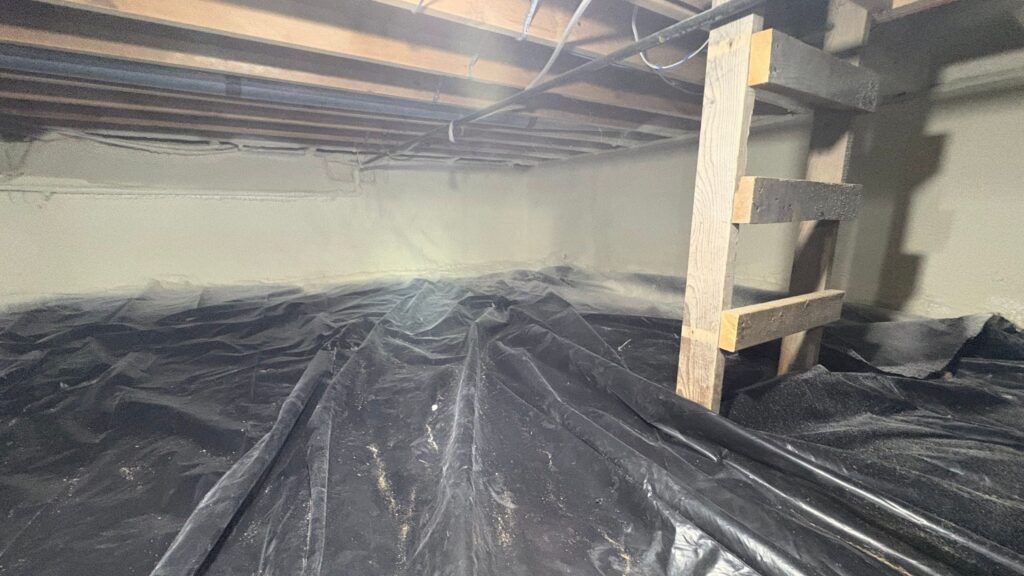
Crawl spaces often feed the stack effect: air moves from low areas upward through walls and the attic. Therefore, crawl space sealing and insulation can improve comfort, air quality, and HVAC performance.
Refer to this Home Insulation Guide for effective solutions to common insulation challenges.
Implement the suggestions in this Home Insulation Guide to improve air quality in your home.
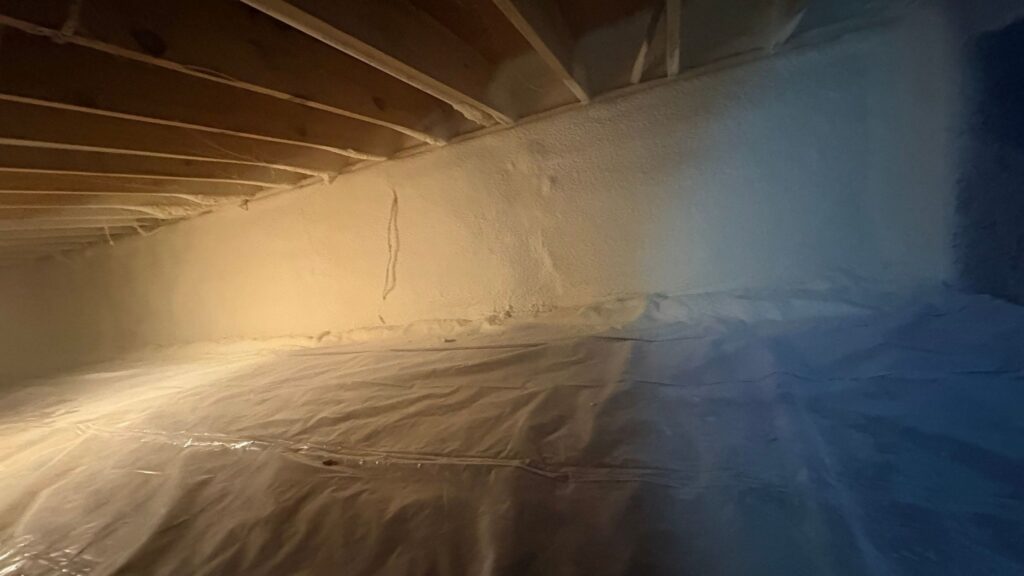
Spray foam can create an air and moisture barrier, and it can seal around wiring and ductwork more completely than many cut-and-fit materials. Moreover, it can reduce moisture and mold conditions by limiting humid air movement. Crawl space priorities that actually work:
- Seal major leakage paths and penetrations.
- Control ground moisture with proper vapor management.
- Continuously insulate walls and rim areas.
- Keep the space clean, dry, and predictable over time.
Consequently, floors feel warmer, indoor air feels less damp, and the home stabilizes across seasons.
Wall Insulation Upgrades for Better Comfort
Walls matter, especially in older homes with underfilled or uneven wall cavities that allow heat to escape and cold air to enter. However, wall upgrades often scare homeowners because they assume demolition and major disruption. Dense-pack blown-in methods can improve thermal performance and reduce outside noise without major renovations when teams fill cavities correctly and manage access points carefully. For wall upgrades, you should focus on:
- Room-to-room temperature differences.
- Exterior-facing walls that feel cold to the touch.
- Drafts near outlets or baseboards (which suggest air leakage that may need sealing, too).
Therefore, wall insulation becomes a targeted comfort tool that improves specific problem areas and overall consistency, not a messy or invasive construction project.
Engage with this Home Insulation Guide to uncover effective insulation strategies.
How To Choose R-Value Targets
You should choose R-values based on climate, assembly type, and available depth. However, you should also choose them based on the weakest link in your envelope, because one leaky or under-insulated area can dominate how the home feels. For example, an attic that leaks air can underperform even at a high R-value, since moving air bypasses insulation and creates temperature swings. Therefore, you should pair R-value upgrades with air sealing so real-world performance matches the label, and the home holds comfort longer between HVAC cycles. Use these practical rules:
- Start at the top: improve attic coverage and sealing first when you feel major seasonal swings and upstairs discomfort.
- Fix geometry challenges: address cathedral ceilings when specific rooms behave badly, because limited space and complex framing increase heat loss.
- Stabilize the base: fix crawl space leakage and moisture when floors feel cold or indoor air feels damp, since lower-level air movement affects the entire home.
That sequence keeps upgrades logical, measurable, and comfort-driven.
Spray Foam Done Right: What “Good Installation” Looks Like
Spray foam can perform extremely well, yet it demands disciplined installation. Therefore, you should evaluate the plan and the workmanship—not only the material. A strong spray foam approach includes:
- Clear identification of the air barrier line
- Complete coverage at transitions and penetrations
- Correct foam type selection for the assembly
- Attention to moisture control and ventilation strategy (based on the design)
Utilize this Home Insulation Guide to educate yourself on essential insulation principles.
Additionally, a professional team should match the insulation method to the attic, the crawl space, or the ceiling shape instead of forcing one approach everywhere.
That mindset supports the purpose of this Home Insulation Guide—because the best insulation plan always respects the building’s real conditions.
Common Insulation Mistakes
Many insulation issues come from simple execution mistakes, not from the material itself. Therefore, you should watch for these patterns because they quietly reduce performance and create uneven comfort:
Make sure to reference this Home Insulation Guide throughout your renovation process.
This Home Insulation Guide provides the necessary framework for a successful upgrade.
- Gaps and voids that break continuity and let heat slip through weak spots
- Compressed batts that lose effective R-value and stop insulating as intended
- Unmanaged attic airflow creates moisture risks and reduces long-term durability
- Ignoring crawl space moisture while adding insulation can trap damp conditions and worsen indoor comfort
- Treating insulation like a “material choice” instead of a system that must manage heat flow, air movement, and moisture together
Consequently, the home can still feel uncomfortable even after an upgrade, because the main leakage paths and weak links remain.
Conclusion
If you want lasting comfort, you should treat insulation as a building-performance system, not as a single product. Therefore, you should align insulation type, air sealing strategy, and R-value targets with the areas that leak the most: attics, cathedral ceilings, crawl spaces, and underfilled walls. This Home Insulation Guide gives you a clear path to choose the right insulation approach, improve energy efficiency, and reduce drafts and moisture stress—without guessing.
For professional help, choose Seal Tech Insulation. Their team focuses on the problem areas first, then applies the right solution for each space, including spray foam, blown-in insulation, cathedral ceiling insulation, crawl space insulation, existing wall insulation, and energy audit evaluations to guide smart upgrades.
Ultimately, this Home Insulation Guide will lead to a more comfortable living space.
This Home Insulation Guide ensures that you make the right choices for your insulation needs.
The insights presented in this Home Insulation Guide are designed to enhance home performance.