
When you search “spray foam insulation near me,” you usually want one thing: a real fix for drafts, uneven temperatures, and energy loss. However, spray foam choices can feel confusing because installers talk about open-cell, closed-cell, wall injection foam, and attic strategies in the same breath. Therefore, this guide breaks it down in plain language, so you can choose the right solution for your home or building and avoid common mistakes.
Seal Tech Insulation serves Southeast Michigan and nearby areas, and the company has worked on residential and commercial projects since 2000. They focus on high-performance systems, and they back many spray foam systems with a manufacturer-backed limited lifetime warranty.
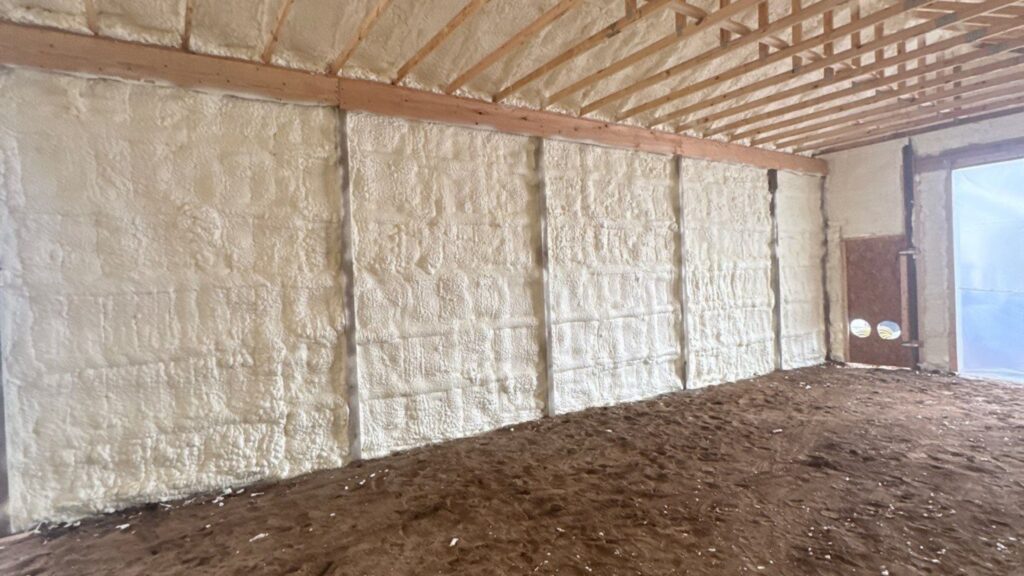
Why Spray Foam Works When Other Insulation Falls Short
Fiberglass and loose-fill can slow heat transfer, yet they often leave air leaks behind. In contrast, spray foam insulation seals gaps as it expands, so it tackles comfort and efficiency together. Moreover, air sealing helps you control moisture movement, which can reduce mold risk in the right assembly.
Seal Tech Insulation highlights this “seal + insulate” advantage across common problem areas like attics and crawl spaces, where air leaks often drive discomfort and HVAC strain.
Closed Cell Spray Foam Insulation vs Open-Cell: The Practical Difference
You will usually pick between open-cell and closed cell spray foam insulation based on space, moisture exposure, and performance goals.
- Choose foam type based on moisture, space, and goals.
- Closed-cell suits basements, crawl spaces, and rim joists.
- Open-cell fits interior cavities, sound control, and rooflines.
- Seal Tech uses closed-cell foam for exterior wall performance.
Seal Tech Insulation uses closed-cell foam in demanding exterior wall applications, and they describe it as a seamless layer that can act as insulation plus a vapor barrier in one assembly.
Where Spray Foam Delivers the Biggest Upgrade
Spray foam shines when you place it where leakage and moisture hurt you most. Consequently, you should evaluate these zones first:
1) Attics and Rooflines
Attics often leak air through top plates, penetrations, and recessed fixtures. Therefore, sealing the attic can lower heating and cooling loads and improve comfort. Seal Tech Insulation emphasizes attic sealing for lower HVAC stress and reduced moisture risk.
2) Crawl Spaces and Rim Joists
Crawl spaces often pull in humid air and push cold air upward. Moreover, rim joists leak like a sieve in many older homes. Spray foam can seal those seams fast, so the house feels more stable in every season.
3) Exterior Walls and Envelopes
Commercial walls need moisture protection and predictable performance. Seal Tech Insulation explains options like closed-cell foam in brick-over-block cavities and injection foam retrofits to boost R-values without disruption.
4) Sound Control Areas
If traffic, neighbors, or echo bothers you, spray foam helps by sealing air paths that carry sound. Seal Tech Insulation notes foam reduces airborne noise through walls, ceilings, and floors, especially in media rooms, bedrooms, bathrooms, and laundry areas.
In short, target these four zones first, and you’ll feel the fastest improvement in comfort, moisture control, and everyday quiet.
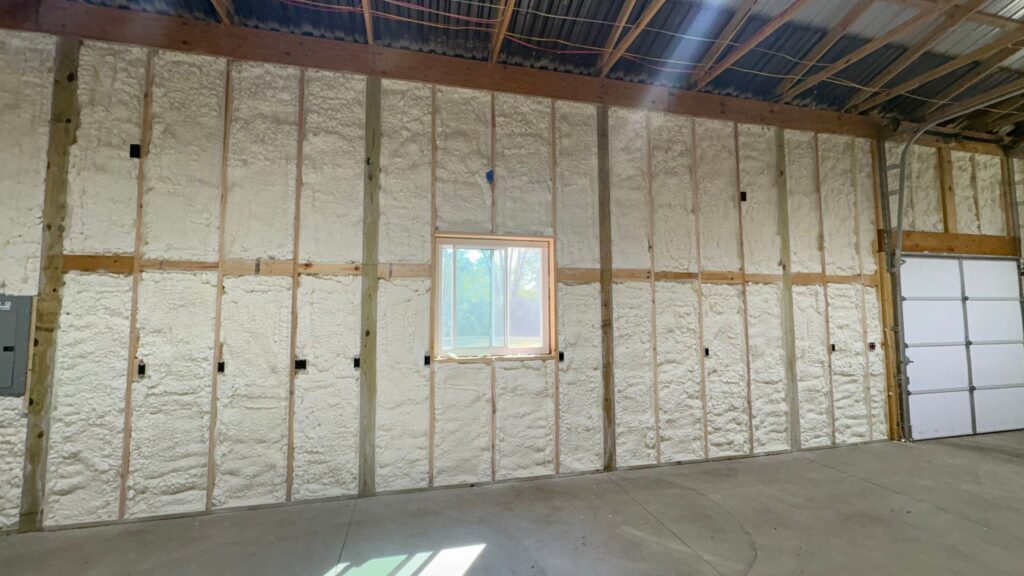
“Spray Foam Insulation Kit” vs Professional Installation: Make the Safe Call
A spray foam insulation kit can handle small jobs like sealing pipes, patching gaps, or insulating a tiny chase. However, poor mixing, prep, or temperature can cause weak foam, odor, or incomplete curing, so follow instructions closely and ventilate the area during application.
Professional crews bring calibrated equipment, training, ventilation planning, and testing. Additionally, pros match foam type and thickness to code and moisture needs, which protects comfort and durability. For an attic, crawl space, or wall system, you will usually get better results with a pro install than with a kit. Learn more about Home Insulation.
What a Good Spray Foam Project Looks Like
When you evaluate spray foam insulation work, you should look for process clarity, not just promises.
- Inspection and scope: The contractor identifies air leaks, moisture risks, and target areas.
- Material selection: The contractor chooses open-cell vs closed-cell and selects the right strategy for the assembly.
- Prep and protection: The crew protects surfaces, controls ventilation, and manages access.
- Application and quality checks: The crew applies consistent depth, trims cleanly, and verifies coverage.
- Outcome focus: You feel fewer drafts, see more stable room temperatures, and notice HVAC cycles that feel less extreme.
Seal Tech Insulation supports residential and commercial new construction, coordinating with builders and design teams to recommend the right materials and R-values.
How to Choose the Right Contractor When You Search “Spray Foam Insulation Near Me”
When you type “spray foam insulation near me” into Google, you will see many options. Therefore, filter quickly with these practical checks:
- Track record in your area: Local experience matters because climate and styles vary. Seal Tech Insulation has decades across Southeast Michigan.
- Clear warranty language: Ask about manufacturer-backed coverage and what it includes.
- Health and product standards: Ask about product safety and indoor air. Seal Tech Insulation lists non-toxic, hypoallergenic, formaldehyde-free options.
- Breadth of applications: Choose a team that handles attics, walls, crawl spaces, and commercial work.
If a contractor checks these boxes, you can hire with confidence and expect lasting performance.
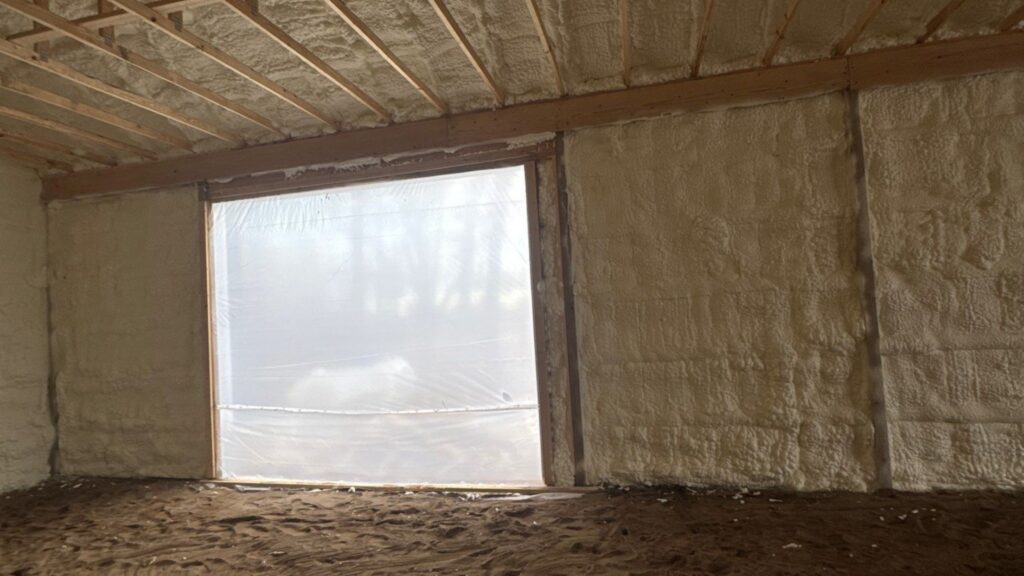
Conclusion
Spray foam can change how a building feels because it pairs insulation with serious air sealing. Moreover, you get the best results when you match foam type to the right location, avoid risky DIY decisions for large areas, and choose an experienced crew that explains the plan clearly. If you want a trusted local team, contact Seal Tech Insulation to plan the right approach for your attic, crawl space, walls, or commercial project. You will reduce drafts, stabilize indoor temperatures, protect against moisture issues, and support HVAC efficiency with cleaner, more consistent performance year-round.