
A home’s performance depends on more than visible living areas. In fact, the space beneath the floor plays a critical role in comfort, durability, and efficiency. Because this area often remains out of sight, homeowners may overlook how strongly it influences indoor conditions. However, unmanaged crawl spaces frequently allow cold air, humidity, and outside elements to affect the entire structure. Crawl space insulation creates a protective barrier between the ground and the home. As a result, it helps regulate temperature, manage moisture, and preserve structural integrity. When homeowners understand how this insulation works, they can make informed decisions that support long-term home protection.
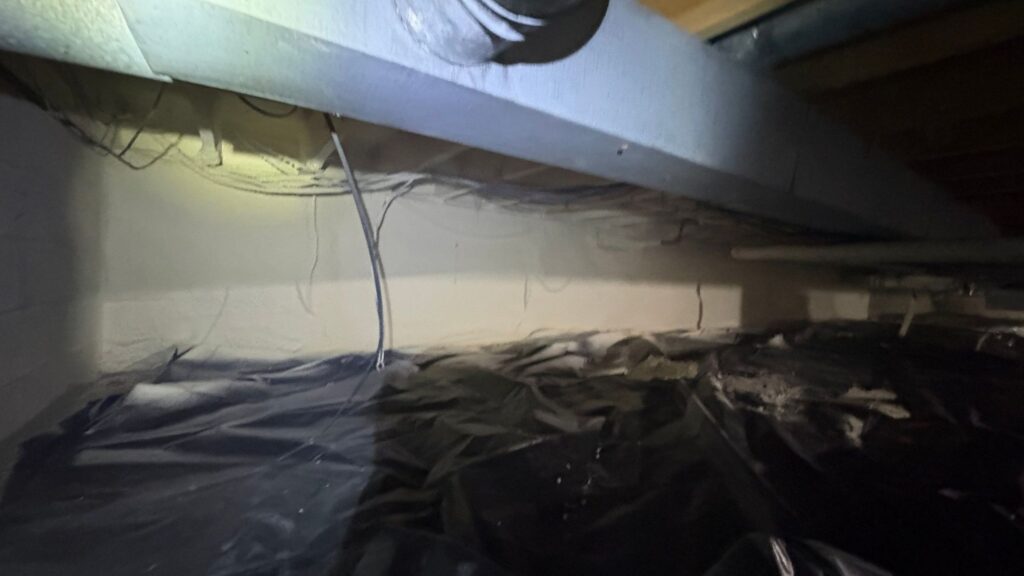
Crawl Spaces and Home Performance
Crawl spaces sit directly between the ground and the living areas, which places them in a critical position within the home’s structure. Because this space connects the soil to the flooring system, it strongly influences temperature stability throughout the house. When left unprotected, cold air and heat move freely upward, which disrupts indoor comfort and forces HVAC systems to work harder. As a result, homeowners often notice uneven floor temperatures and higher energy consumption. Therefore, addressing this space helps restore balance across the entire home.
In addition, crawl spaces affect moisture behavior and structural health. Ground moisture and humid air often collect beneath the home and gradually rise into the floors and walls. Over time, this exposure can weaken materials and create unhealthy indoor conditions. Wooden components may absorb moisture and lose strength if left unchecked.
How Crawl Space Insulation Improves Homes
Crawl space insulation strengthens home comfort, efficiency, and durability by addressing problems that originate below the floor system.
- Better Comfort: Insulation reduces cold floors and limits drafts from beneath the home. As a result, indoor temperatures remain more stable throughout the year.
- Energy Savings: By reducing heat loss, insulation lowers heating and cooling demand. Consequently, energy consumption and utility costs decrease.
- Moisture Control: Insulated crawl spaces restrict moisture movement from the ground. Therefore, homes experience fewer dampness-related issues.
- Healthier Air: Sealed crawl spaces prevent contaminants from entering living spaces. As a result, indoor air quality improves noticeably.
- Structural Durability: Balanced temperature and humidity protect framing materials. Consequently, floors and support systems maintain strength over time.
These improvements show how crawl space insulation supports a healthier, more efficient, and longer-lasting home from the ground up. Learn more about High-Performance Home Insulation.
Crawl Space Impact on Home Systems
Crawl spaces play a foundational role in how a home manages heat, moisture, and airflow. Because this area sits directly beneath the living structure, its condition directly affects comfort, efficiency, and long-term stability.
1. Thermal Transfer Control
Crawl spaces regulate how heat transfers between the ground and interior floors. When insulation is absent, cold and warm air rise freely into living areas. As a result, indoor temperatures fluctuate, and comfort becomes difficult to maintain.
2. Moisture Migration Management
Ground moisture continuously evaporates upward into crawl spaces below the home. When this moisture remains unmanaged, it moves into subfloors and wall systems. Consequently, materials experience prolonged exposure that increases deterioration risk.
3. Structural Load Stability
Stable temperature and humidity conditions help preserve structural material strength. Crawl spaces that remain dry protect joists, beams, and flooring systems. Therefore, the home maintains stronger load-bearing performance over time.
4. HVAC System Efficiency
Uncontrolled crawl spaces introduce temperature extremes that strain HVAC systems. Heating and cooling units compensate by running longer and more frequently. As a result, energy usage increases and system lifespan decreases.
5. Indoor Environmental Balance
Air naturally moves upward from crawl spaces into occupied living areas. When crawl spaces remain clean and dry, indoor air quality improves noticeably. Consequently, residents experience better comfort and healthier conditions.
These factors show how crawl spaces influence every major system within a home. By maintaining controlled conditions below the floor, homeowners support comfort, efficiency, and structural resilience throughout the entire living space.
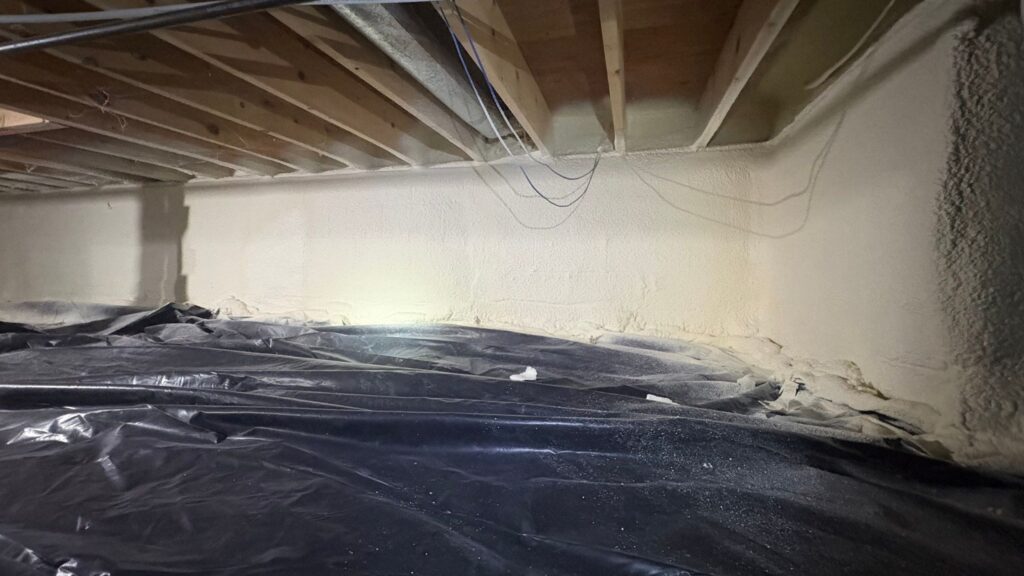
Common Crawl Space Insulation Mistakes to Avoid
Avoiding these common errors ensures crawl space insulation performs reliably and protects the home long term.
a) Skipping Moisture Control: Insulating without moisture management traps dampness and increases long-term material deterioration.
b) Wrong Insulation Choice: Using moisture-sensitive materials reduces performance and leads to premature insulation failure.
c) Unsealed Air Gaps: Open joints allow air leakage, which weakens insulation effectiveness and thermal stability.
d) Blocked Drainage Paths: Improper installation disrupts water movement and raises ongoing moisture exposure risks.
e) No Professional Assessment: Lack of evaluation results in poor placement and reduced overall insulation performance.
Preventing these mistakes helps crawl space insulation deliver consistent comfort, efficiency, and lasting structural protection.
Long-Term Value of Crawl Space Insulation
Crawl space insulation delivers lasting value by protecting the home from gradual performance decline that often begins below the floor system. By stabilizing temperature and limiting moisture exposure, insulation helps prevent material fatigue, wood deterioration, and uneven floor conditions that typically require costly repairs over time. As a result, the home maintains stronger structural integrity while avoiding issues that may otherwise develop unnoticed.
In addition, crawl space insulation supports consistent energy efficiency and healthier indoor conditions year after year. Reduced heat loss lowers ongoing utility expenses, while controlled moisture and cleaner airflow contribute to better indoor air quality. Together, these benefits extend the lifespan of key building components and help preserve property value, making crawl space insulation a long-term investment rather than a short-term upgrade.
Conclusion
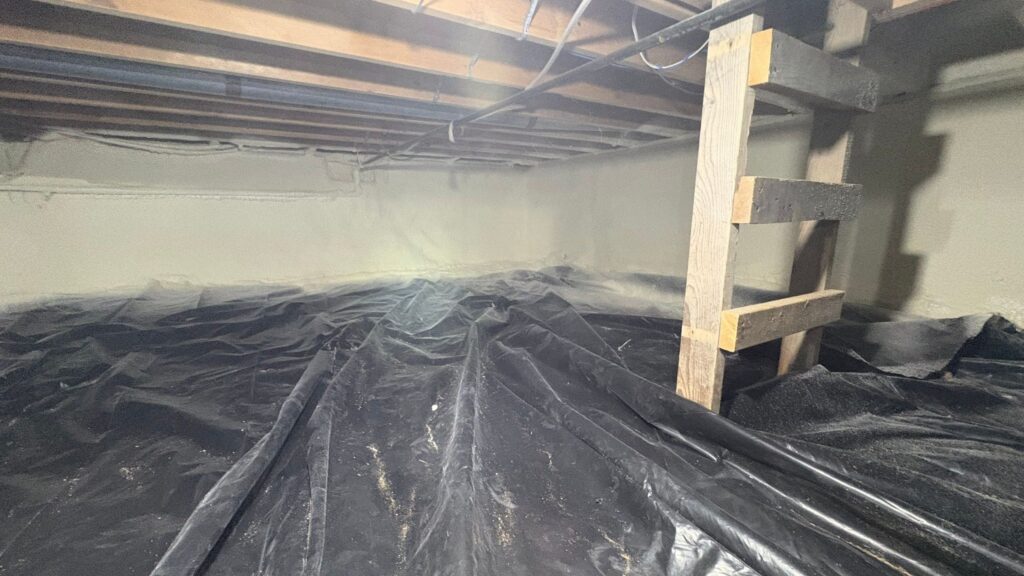
In summary, crawl space insulation protects a home by stabilizing temperatures, controlling moisture, improving air quality, and supporting structural durability. Addressing issues at the foundation level prevents small problems from developing into costly repairs over time. These benefits work together to create a healthier and more efficient living environment. When homeowners seek expert guidance and dependable results, Seal Tech Insulation stands as a trusted name associated with professional insulation solutions and long-term home protection.