
Serving Ann Arbor, MI & Southeast Michigan Since 2000
What Is Spray Foam Insulation?
What Is Spray Foam Insulation? The Short Answer
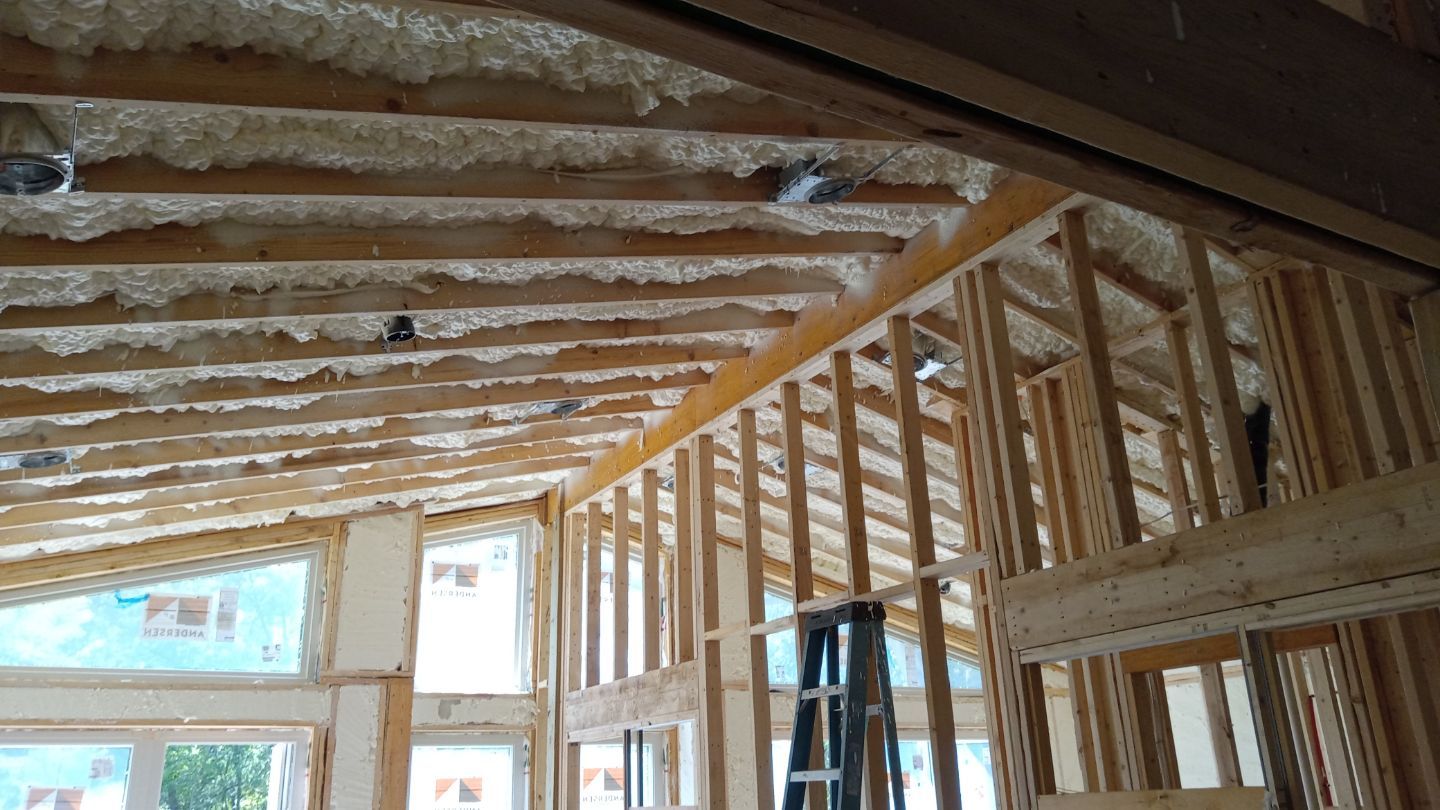
Spray foam insulation is a two-component polyurethane material that expands on contact to create a permanent air seal. When a Seal Tech technician pulls the trigger on the spray gun, two liquid chemicals — isocyanate and polyol resin — mix together and react. Within seconds, the mixture expands into a foam that adheres to any surface it touches: wood studs, concrete walls, roof decks, rim joists, and more.
Unlike traditional insulation materials that simply slow heat transfer, spray foam insulation simultaneously insulates and air-seals your home in a single step. That dual action is why spray foam insulation is considered the gold standard for Michigan homes — especially in Ann Arbor, Saline, and South Lyon, where extreme temperature swings demand the highest-performing building envelope possible. Learn more from Energy Star's Seal & Insulate program and the City of Ann Arbor Office of Sustainability.
Video Transcript & Summary
0:00 - The question: America's Home Experts host John Bujak asks Seal Tech owner Eric Stimach: "What exactly is spray foam insulation?"
0:08 - How it works: Eric explains that spray foam insulation is made from two chemicals — isocyanate and polyol resin — that are mixed together in a spray gun. The chemical reaction creates a foam that expands on contact and adheres permanently to any surface.
0:19 - Open-cell vs. closed-cell: Eric briefly covers the two types of spray foam insulation. Open-cell foam is softer and flexible; closed-cell foam is denser and rigid. Both create a complete air seal for your home, which is what makes spray foam insulation so much more effective than traditional fiberglass batts.
What Is Spray Foam Insulation Made Of?
Spray foam insulation is made from two liquid chemicals — isocyanate and polyol resin — stored in separate containers and mixed at the spray gun tip. The chemical reaction causes the mixture to expand rapidly, filling every gap, crack, and void in your walls, attic, or crawl space. Once cured, spray foam insulation becomes a rigid or semi-rigid solid that stays in place permanently.
Open-Cell vs. Closed-Cell Spray Foam Insulation
There are two types of spray foam insulation, and Seal Tech installs both depending on what your home needs:
| Feature | Open-Cell Spray Foam | Closed-Cell Spray Foam |
|---|---|---|
| R-Value per Inch | ~R-3.7 | ~R-6 to R-7 |
| Texture | Soft, spongy, flexible | Hard, rigid, dense |
| Moisture Resistance | Absorbs moisture (dries out) | Completely waterproof |
| Structural Benefit | None | Adds wall rigidity |
| Best For | Interior walls, attics, sound control | Crawl spaces, basements, rim joists |
| Cost | Lower | Higher |
Why Is Spray Foam Insulation Better Than Fiberglass?
Traditional fiberglass batt insulation only slows heat transfer — it does nothing to stop air movement. Up to 40% of a home's energy loss comes from air infiltration through gaps and cracks that fiberglass cannot seal. Spray foam insulation expands to fill every void, creating a continuous thermal and air barrier that fiberglass physically cannot replicate.
- Air sealing: Spray foam insulation fills every gap, crack, and seam — fiberglass leaves them open.
- Moisture control: Closed-cell spray foam insulation is a Class II vapor retarder, protecting your home from condensation and mold.
- Longevity: Spray foam insulation lasts the lifetime of your home. Fiberglass typically needs replacing every 10–15 years.
- Energy savings: Homes with spray foam insulation use up to 50% less energy for heating and cooling.
- Pest resistance: Unlike fiberglass, spray foam insulation provides no nesting material for mice or insects.
Michigan Climate Note: Southeast Michigan sits in IECC Climate Zone 5, which requires a minimum of R-49 in attics and R-15 in walls. Closed-cell spray foam insulation achieves R-49 in just 7–8 inches, making it ideal for Michigan's tight building cavities and extreme winters.
What Does Spray Foam Insulation Cost in Michigan?
Spray foam insulation typically costs more upfront than fiberglass or cellulose — but it is a one-time investment that pays for itself through energy savings. Most Michigan homeowners who upgrade to spray foam insulation see a return on investment within 3–7 years through reduced heating and cooling bills.
Seal Tech Serves All of Southeast Michigan
Seal Tech Insulation installs spray foam insulation — both open-cell and closed-cell — for homeowners and businesses across Southeast Michigan. We serve:
Get a Free Quote
Not sure which type of spray foam insulation is right for your home? Our experts will assess your space and give you a straight recommendation — no pressure.
Get Free Evaluation 📞 (866) 775-3626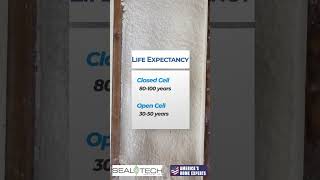
📍 Serving Ann Arbor & SE Michigan
We install open-cell and closed-cell spray foam insulation in Ann Arbor, Saline, South Lyon, and 20+ more cities across Southeast Michigan.
Ann Arbor Service Area →
As seen on America's Home Experts, Seal Tech Insulation is a trusted provider of spray foam insulation, attic insulation, and crawl space solutions throughout Detroit and Southeast Michigan.
Ready to See What Spray Foam Insulation Can Do for Your Home?
Get a free, no-pressure evaluation from Southeast Michigan's spray foam experts since 2000.
Schedule Free Evaluation 📞 (866) 775-3626