
Choosing the right insulation approach directly affects comfort, efficiency, and long-term building performance. While materials matter, experience plays a far greater role in achieving consistent and reliable results. Insulation interacts with airflow, moisture movement, and structural elements in ways that demand careful planning and execution. Therefore, skilled professionals evaluate how buildings behave over time before applying any solution. This expertise allows them to prevent common performance issues that arise from improper installation. As a result, experienced insulation contractors deliver outcomes that remain effective, stable, and efficient well beyond the initial installation phase.
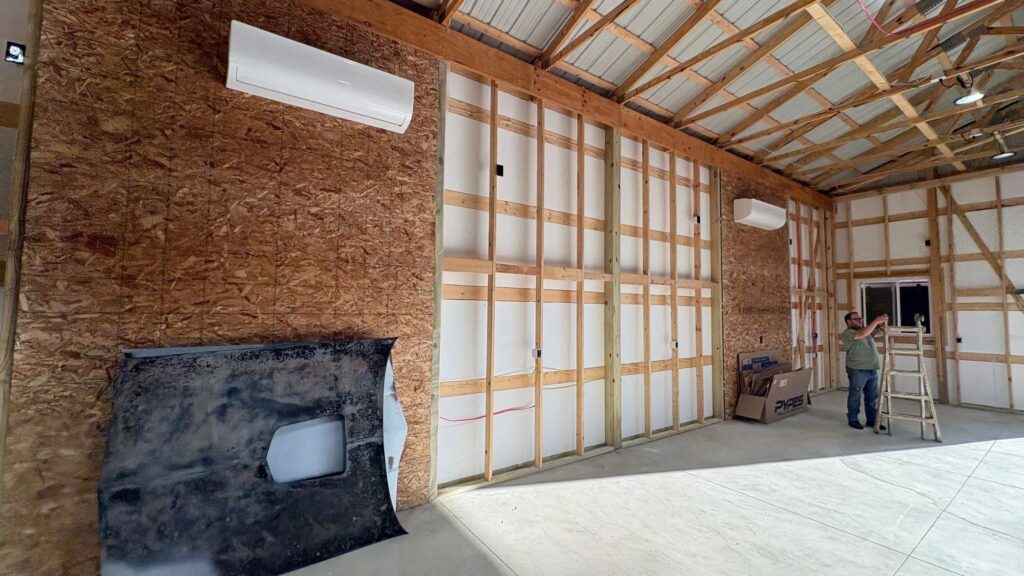
Insulation and Building Performance
Insulation directly influences how a building controls heat, moisture, and airflow throughout the year. Because it sits within walls, floors, and roofs, its performance determines whether indoor conditions remain stable or fluctuate with outdoor temperatures. Poor insulation weakens efficiency even in well-designed structures. In addition, inadequate insulation increases energy demand as systems work harder to maintain comfort. Consequently, occupants often experience uneven temperatures and rising utility costs.
Experienced insulation contractors understand how insulation interacts with framing, ventilation, and climate conditions. Instead of treating insulation as a single layer, they evaluate how it supports the entire building envelope. This holistic understanding leads to consistent comfort and long-term durability. Moreover, this approach reduces stress on mechanical systems by improving thermal balance. As a result, buildings operate more efficiently across all seasons. Learn more about High-Performance Home Insulation.
Key Factors That Drive Installation Accuracy
Installation accuracy defines how well insulation performs over time. Even small deviations during application can reduce efficiency and create long-term performance gaps. Therefore, professionals rely on controlled methods that support consistency and durability.
1. Uniform Coverage Control
Installers maintain consistent insulation thickness across all surfaces. This consistency prevents the formation of weak thermal zones. As a result, indoor temperatures remain balanced throughout the structure.
2. Air-Sealing Integration
Professionals seal joints, penetrations, and structural transitions carefully. This integration blocks uncontrolled airflow movement within assemblies. Consequently, conditioned air remains contained inside living spaces.
3. Surface Preparation Discipline
Teams prepare all substrates before applying insulation materials. Clean and dry surfaces improve adhesion and application accuracy. Therefore, insulation bonds correctly and sustains long-term performance.
4. Material Expansion Management
Installers account for expansion and curing behavior during application. They control material volume to avoid overfilling or compression. This precision preserves intended thermal resistance and effectiveness.
5. Installation Timing Awareness
Professionals apply insulation under suitable environmental conditions. Proper timing prevents moisture entrapment during curing stages. As a result, insulation maintains durability and operational stability.
Accurate installation ensures insulation delivers consistent results across all seasons. When professionals follow disciplined practices, insulation maintains efficiency, protects structures, and supports long-term building performance.
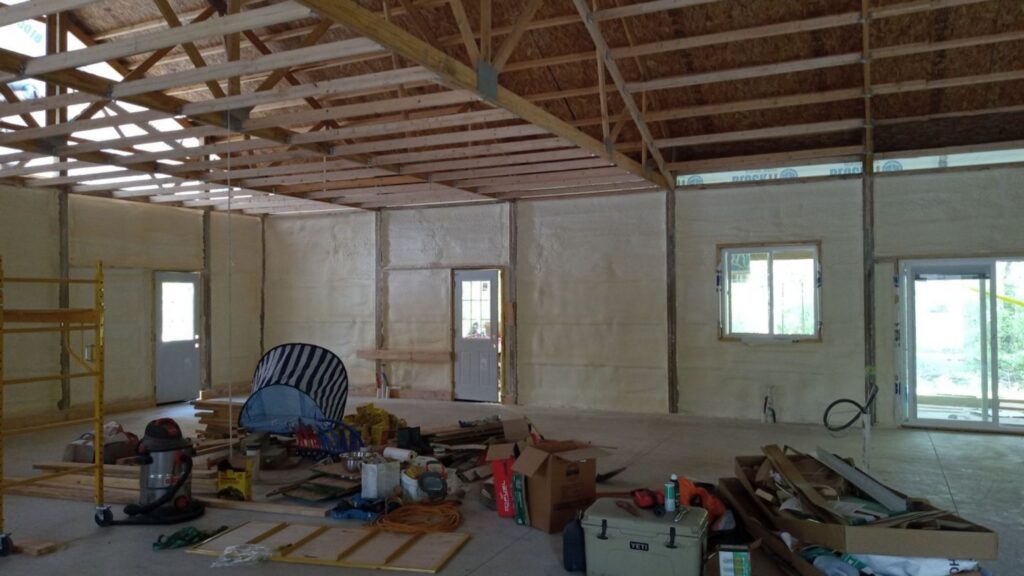
Knowledge of Materials and Their Best Applications
Different insulation materials perform differently depending on location and structure type. Experienced contractors understand where spray foam, attic insulation, or crawl space solutions work best. Therefore, they apply each material strategically rather than generically. This targeted approach improves durability while supporting consistent thermal resistance. In addition, proper placement enhances overall energy retention across the building envelope. Consequently, indoor environments remain more stable throughout seasonal changes.
Moreover, correct material selection reduces the risk of moisture-related issues and thermal imbalance. Proper placement limits condensation buildup and prevents material breakdown over time. As a result, insulation maintains effectiveness while protecting surrounding structural components. Furthermore, this precision reduces stress on framing and interior finishes.
Risk Reduction Through Professional Installation
Professional insulation installation plays a critical role in limiting long-term building risks and performance failures.
- Preventing Moisture Trapping Professionals manage vapor movement during installation. This control prevents condensation buildup inside building assemblies.
- Avoiding Thermal Bridging Installers address framing transitions and gaps carefully. This approach limits heat transfer through structural elements.
- Reducing Structural Degradation Risk Proper installation protects framing from prolonged exposure. This protection helps maintain material strength over time.
- Minimizing Corrective Costs Later Accurate installation reduces the need for future repairs. This efficiency prevents costly corrective insulation work.
Effective risk management during installation preserves insulation performance and safeguards overall building integrity.
Long-Term Value Beyond Initial Installation
Effective insulation delivers value over years, not just at installation. Experienced professionals focus on durability and performance longevity. As a result, property owners benefit from stable comfort, controlled energy costs, and reduced maintenance concerns. This long-term mindset separates experienced providers from short-term solutions.
Moreover, long-lasting insulation supports consistent building performance as structures age. It helps minimize thermal stress on materials, which reduces wear over time. Consequently, buildings retain efficiency without frequent upgrades or corrective work. This sustained performance strengthens both operational reliability and overall asset value.

Quality Control and Post-Installation Verification
Experienced insulation contractors rely on verification processes to confirm that installed insulation performs as intended.
a) Visual Coverage Inspection: Teams visually confirm complete and uniform insulation coverage.
b) Air Leakage Assessment: Professionals check for unintended airflow paths after installation.
c) Thickness and Density Verification: Installers verify insulation depth meets performance requirements.
d) Moisture Presence Evaluation: Teams assess surfaces for trapped moisture risks post-installation.
e) Final Performance Review: Professionals confirm insulation aligns with efficiency expectations.
Post-installation verification ensures insulation delivers reliable performance and supports long-term building efficiency.
Conclusion
Experience remains the defining factor behind reliable insulation performance. From accurate assessments to precise installation, seasoned professionals ensure insulation works as intended for years. When evaluating results-driven solutions, experienced insulation contractors consistently outperform alternatives. For those seeking dependable outcomes rooted in expertise, Seal Tech Insulation represents a trusted name associated with long-term insulation performance.
FAQs
1. Why does contractor experience matter in insulation projects?
Experience ensures accurate assessments, proper material selection, and precise installation, which directly affects long-term performance.
2. Can poor installation reduce insulation effectiveness
Yes, improper installation creates air gaps, moisture issues, and uneven coverage that significantly reduce efficiency.
3. How does insulation impact overall building durability?
Proper insulation controls temperature and moisture, which helps protect structural materials from long-term damage.
4. When should insulation be evaluated or upgraded?
Property owners should assess insulation during renovations, energy efficiency concerns, or noticeable comfort inconsistencies.