
Homes and businesses waste energy when air leaks through small cracks, when insulation is missing or installed in the wrong areas, or when moisture slowly reduces its effectiveness. So, you get better results when you think of insulation as part of the entire building—walls, attic, floors, and airflow—not just one material you buy. In this guide, you will learn how energy efficient insulation works, which areas make the biggest difference, how to pick the right solution for your building, and how to keep the results strong with proper planning and good installation.
Start With the Building Envelope
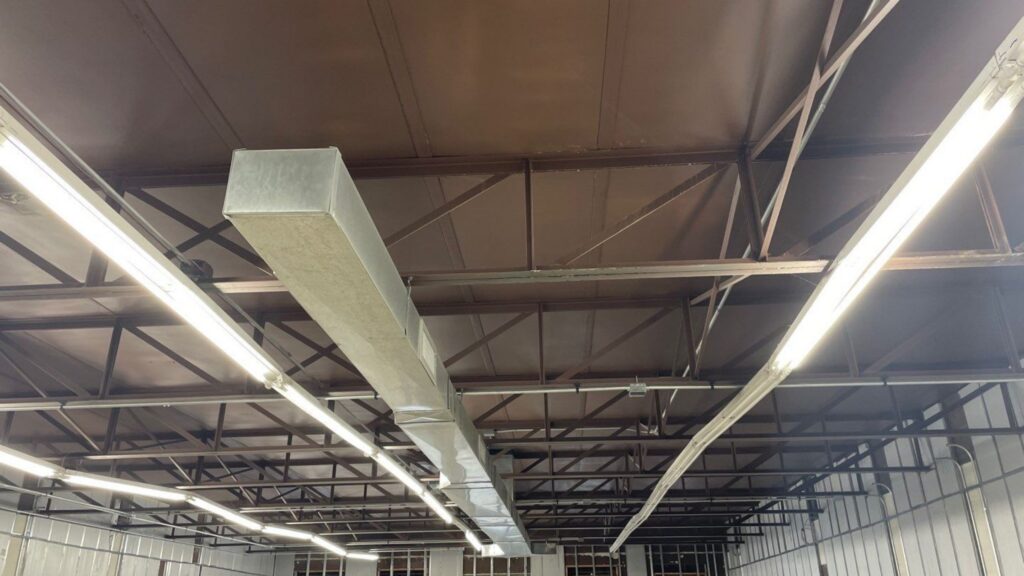
Insulation works best when your whole building “shell” works as one system, not as separate parts. For example, warm or cool air often escapes through the attic, rim joists, walls, and crawl spaces because leaks let air bypass the insulation. As a result, even a high R-value product can disappoint if air keeps moving through gaps and openings. So, start with these priorities:
- Find the biggest leak areas first (attic plane, plumbing/wiring openings, band/rim area, crawl space vents).
- Stop airflow leaks before adding more insulation thickness.
- Limit moisture movement so insulation stays dry and performs consistently.
When you follow this envelope-first approach, energy efficient insulation delivers steady results instead of hit-or-miss outcomes.
Use Air Sealing to Stop Hidden Energy Loss
Air sealing delivers the fastest comfort boost because it closes hidden escape routes for heated or cooled air. As a result, it reduces drafts, evens out room temperatures, and helps your HVAC run smoother by stopping constant leakage. In practice, focus on:
- Attic openings (wires, pipes, top plates, attic hatch)
- Rim joists and band boards
- Crawl space edges and foundation joints
- Gaps around chases and mechanical openings inside walls
Spray foam helps because it insulates and air-seals in one step, which keeps performance consistent. Also, many teams use foam only where leaks are worst and add other insulation where it fits best.
Match Insulation to Each Area
Different parts of a building need insulation to do different jobs. So, choose the material based on what you need most in that area—air control, moisture resistance, and long-term performance.
A. Attics and Attic Slopes
Attics lose a lot of energy when insulation coverage looks uneven, batts get squashed, or soffit airflow gets blocked. Therefore, crews often add blown-in fiberglass or cellulose for fuller coverage, and they use vent baffles at the soffits to keep fresh airflow moving. This setup helps reduce moisture buildup that can harm the roof over time.
B. Walls in Existing Homes
Finished walls can limit access, so traditional upgrades become difficult. However, wall-foam retrofit options can add insulation with less disruption, which helps rooms stay more comfortable during both summer heat and winter cold.
C. Crawl Spaces and Rim Joists
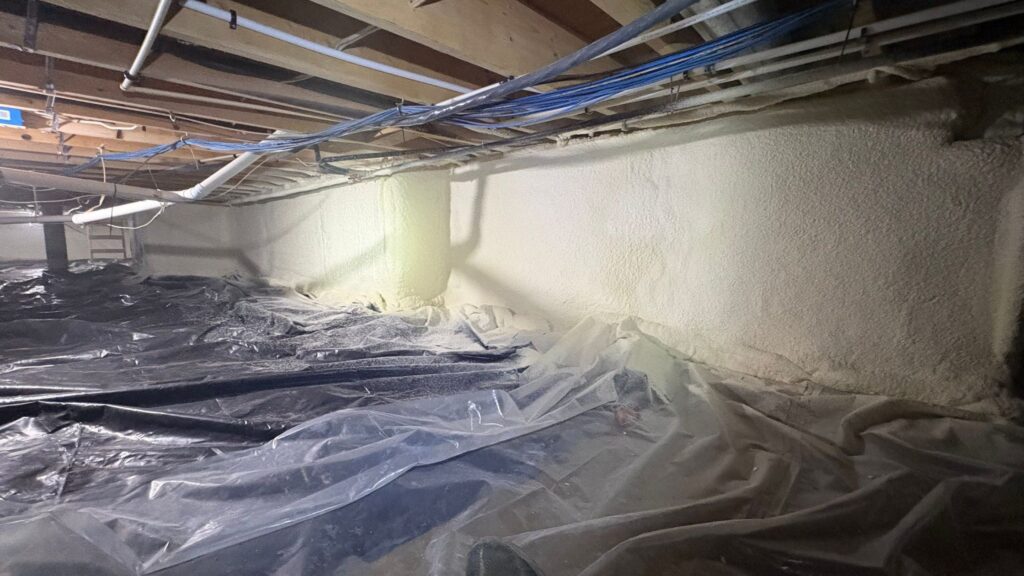
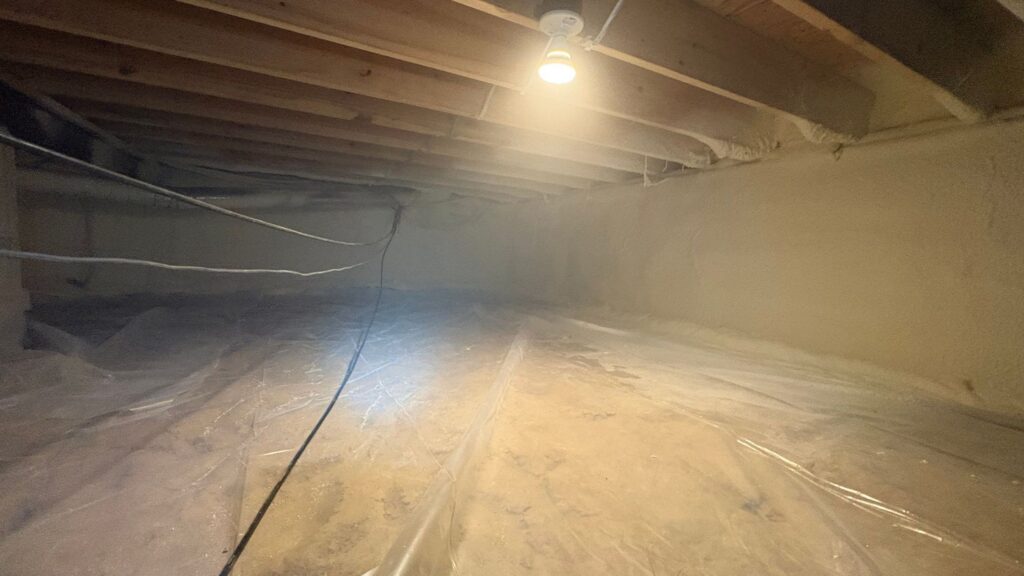
Crawl spaces need extra moisture attention. As a result, teams usually combine sealing, vapor control, and targeted foam to reduce damp air entry and keep the floor above more stable and comfortable.
When you match the right method to the right area, energy efficient insulation gives smoother comfort and fewer seasonal surprises.
Stop Moisture, Protect Performance
Moisture can make or break insulation performance. When humidity gets into the wrong spaces, insulation can lose effectiveness, cause musty smells, create discomfort, and even lead to material damage over time. So, you should plan insulation upgrades with moisture movement in mind—especially in basements, crawl spaces, and areas near lakes or the coast. Use these simple checks:
- Keep attic ventilation paths open so the roof stays dry.
- Block moisture from entering the crawl space by sealing gaps and controlling the boundary.
- Stop warm, humid indoor air from reaching cold surfaces in winter by tightening key leak points.
Good moisture control protects the long-term value of energy efficient insulation. Learn more about Types of Insulation.
Fit the Plan to the Build
New construction gives you more flexibility than a retrofit. Also, metal buildings don’t behave the same way as wood-framed homes. So, you should choose your insulation approach based on the structure type and when the work happens.
a) New builds: You can place spray foam or other systems exactly where they work best, and you can coordinate the insulation plan with framing, mechanical routing, and code needs.
b) Existing homes: Start with the upgrades that move the needle most—attic boundaries, rim joists, crawl spaces, and wall retrofit options when you can’t easily open up walls.
c) Wood vs. metal construction: Watch thermal bridging and connection details closely, because they can affect comfort even when the insulation looks “done.”
When you match the plan to the building and the timing, energy efficient insulation becomes easier to execute and more effective long-term.
Healthier Materials, Lasting Performance
Comfort isn’t only about temperature—it’s also about how the air feels inside your space. So, many property owners choose insulation that supports a cleaner indoor environment and stays reliable through different seasons.
For example, Seal Tech points to insulation options that align with safety-focused preferences, including hypoallergenic, non-toxic, and formaldehyde-free features, while still prioritizing strong energy performance and durability. They also mention manufacturer-backed warranty coverage for spray foam systems, which can add extra peace of mind for long-term results.
When your materials support both comfort and durability, energy efficient insulation improves everyday living—not just the energy numbers.
Conclusion
When you bring together air sealing, the right insulation for each area, moisture protection, and a clear installation checklist, energy efficient insulation becomes a dependable upgrade that boosts comfort and cuts energy waste in every season. If you want results you can feel—not guess—work with Seal Tech Insulation, a Southeast Michigan team that handles the full insulation scope from start to finish, including spray foam air sealing, attic insulation upgrades, crawl space solutions, and existing wall insulation for both homes and commercial spaces. They focus on clean detailing, consistent coverage, and long-term performance, so your space stays more comfortable, more stable, and easier to heat and cool year-round.